How Expert Accident Recovery Minimizes Damage and Gets You Back on the Road
Vehicle accidents, no matter their severity, can create immediate disruptions in daily life, ranging from personal inconvenience to serious safety concerns. Beyond the initial shock, navigating the aftermath requires swift, effective action to minimize damage and restore mobility. Proper accident recovery is more than towing a vehicle from the scene; it involves strategic handling to prevent further harm, protect personal property, and ensure safety. Expert intervention in these scenarios significantly impacts both the physical condition of the vehicle and the well-being of those involved. Understanding the essential role of professional accident recovery highlights why reliance on trained specialists is indispensable for drivers and fleet operators alike.
Accident recovery also affects long-term outcomes for vehicles, insurance processes, and traffic management. Immediate, informed actions can mitigate damage, reduce repair costs, and prevent secondary incidents caused by improper handling. In high-stress situations, having access to specialized skills and equipment ensures that the vehicle is transported securely and efficiently. With growing traffic volumes and increasingly complex road networks, knowing how expert accident recovery works becomes critical for anyone on the road. This blog explores the multifaceted benefits of professional accident recovery, provides actionable insights for minimizing damage, and outlines best practices to get back on the road safely and swiftly.
Understanding the Fundamentals of Accident Recovery
- The Scope of Accident Recovery:- Accident recovery encompasses more than simple towing. It involves carefully assessing the scene, evaluating vehicle stability, and determining the safest approach for moving damaged vehicles. Proper recovery techniques prevent secondary damage, such as scraping, bending, or further mechanical issues, that could arise from improper lifting, dragging, or loading. The goal is to maintain the structural integrity of the vehicle while protecting surrounding property and ensuring safety for all nearby individuals.
- Immediate Priorities Post-Accident:- After an accident, several immediate priorities must be addressed. First, ensure that everyone is safe and medical assistance is called if needed. Then, establish a secure perimeter around the accident scene to prevent additional incidents. Quick assessment of vehicle condition and environmental hazards—such as fuel leaks, electrical sparks, or unstable positioning—guides the subsequent recovery process. Expert accident recovery begins at this stage, providing a systematic approach that minimizes human error and optimizes safety.
- Equipment and Techniques for Damage Control: Specialized equipment plays a pivotal role in mitigating damage. Hydraulic lifts, flatbed tow trucks, winches, and dollies are designed to handle different vehicle types and accident scenarios safely. Proper anchoring, load distribution, and careful lifting prevent additional strain on the vehicle frame or suspension system. Skilled operators understand the nuances of using these tools in diverse situations, whether removing a vehicle from a ditch, clearing debris, or managing overturned trucks. This combination of knowledge and equipment ensures that every action contributes to minimizing further damage.
Assessing Vehicle Damage Efficiently
Visual Inspection for Immediate Concerns
A visual inspection is a critical first step in understanding the extent of damage. Experts quickly identify obvious structural problems, fluid leaks, or broken components that require stabilization before transport. Early detection of these issues prevents exacerbation of damage during movement. For instance, vehicles with compromised suspensions or bent frames may need specialized supports to avoid additional stress.
Mechanical and Electrical Evaluation
Accident recovery is not solely about visible damage. Subtle mechanical or electrical issues can worsen if left unchecked. For example, engines with displaced mounts or disconnected wiring may suffer further harm during transport. Conducting a preliminary evaluation ensures that the vehicle is transported in a manner that avoids triggering additional malfunctions. This proactive approach reduces repair costs and shortens recovery timelines.
Strategic Documentation for Insurance
Accurate documentation during recovery serves both operational and insurance purposes. Detailed photos, notes on damage, and descriptions of the recovery process create a transparent record. Insurance providers often require this evidence for claims processing, and proper documentation reduces disputes. Moreover, recording the scene helps identify potential hazards or factors contributing to the accident, guiding future prevention measures.
Preventing Secondary Damage During Recovery
- Understanding Common Risks:-Improper handling during recovery can lead to secondary damage, such as scratches, bent panels, or compromised suspension. Untrained handling may also result in fluid leaks, broken axles, or torn tires. Recognizing these risks informs the strategies and techniques used to mitigate them. Each vehicle has unique vulnerabilities depending on its size, weight, and construction, making tailored recovery methods essential.
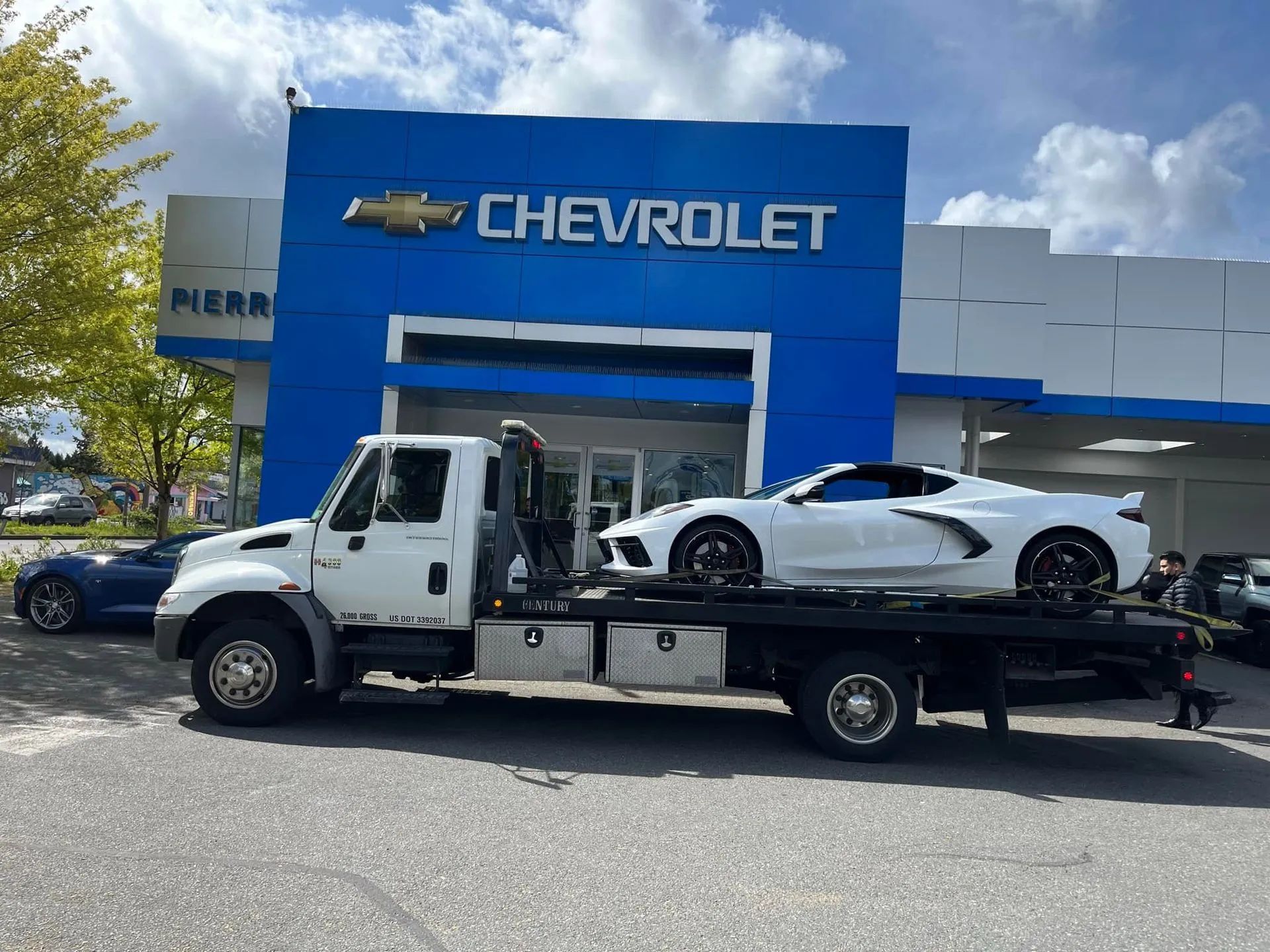
- Loading and Transport Best Practices:- Correct loading onto recovery vehicles is fundamental. Flatbed trucks are ideal for preventing wheel or chassis damage, while wheel-lift methods suit certain emergencies. Ensuring the vehicle is balanced, secured, and free from movement during transport prevents further structural or mechanical issues. Additionally, using protective padding or soft straps reduces contact damage to sensitive exterior surfaces. This level of attention preserves the vehicle’s integrity and accelerates its return to operational condition.
- Handling Complex Accident Scenarios:- Certain accidents, such as rollovers, water submersion, or collisions with guardrails, present unique challenges. Expert recovery adapts to these scenarios using specialized tools and approaches. For example, stabilizing a partially submerged vehicle before extraction prevents sudden shifts that could damage the frame or cabin. Similarly, precise winching techniques for overturned trucks prevent further damage to cargo and equipment. Understanding the complexities of various accident types ensures that the recovery process is safe, efficient, and minimally invasive.
Timely Response and Roadside Safety
The Importance of Rapid Arrival
Time is a critical factor in accident recovery. A quick response not only helps restore traffic flow but also reduces the likelihood of additional incidents. Immediate intervention minimizes the exposure of damaged vehicles to environmental hazards, such as rain, heat, or freezing temperatures, which could exacerbate mechanical or cosmetic damage. Rapid arrival ensures that stabilization, fluid containment, and safe loading are executed promptly.
Maintaining Roadside Safety
Securing the accident site protects both the vehicle and bystanders. Cones, warning lights, and traffic diversion measures reduce risks of secondary collisions. Keeping the area organized allows the recovery process to proceed without unnecessary delays or hazards. Effective management of roadside safety reflects professional standards and demonstrates responsibility, contributing to an overall reduction in potential damage and liability.
Coordinating With Authorities and Other Responders
Accident recovery often requires coordination with law enforcement, fire departments, and emergency medical services. Communicating effectively with these entities ensures compliance with regulations and enhances operational efficiency. For instance, when dealing with hazardous material spills or large-scale accidents, synchronized efforts prevent delays and further complications. This structured approach underscores the value of professional recovery services in maintaining safety and minimizing damage.
Enhancing Vehicle Longevity Through Expert Recovery
Preventing Structural Complications
Expert accident recovery reduces the risk of long-term structural complications. Improper lifting, dragging, or jacking can deform frames, misalign suspension, or stress mounting points. Preventing these issues during recovery preserves vehicle performance, avoids costly repairs, and ensures that safety systems—such as airbags and electronic stability control—remain functional. A carefully executed recovery is an investment in the vehicle’s long-term reliability.
Mitigating Mechanical and Cosmetic Damage
Beyond structural preservation, expert recovery protects mechanical and cosmetic components. Engines, transmissions, and drive systems are handled to prevent jolts or vibrations that might worsen existing damage. Exterior surfaces, paint, and trim are shielded from scratches or dents, maintaining the vehicle’s resale value and aesthetic appeal. This meticulous approach ensures the vehicle returns in the best possible condition after the accident.
Optimizing Insurance and Repair Processes
Proper recovery also supports efficient insurance and repair workflows. Vehicles delivered to repair facilities in a stable, damage-minimized state facilitate faster assessments, accurate repairs, and reduced claim disputes. Repair teams can focus on addressing original accident damage rather than secondary harm caused by transport. This streamlining accelerates the return to the road and reduces overall downtime.
Implementing Best Practices for Accident Recovery
Prioritizing Professional Expertise
Relying on trained professionals ensures every step of the recovery process follows established safety and operational standards. Knowledge of vehicle types, accident scenarios, and recovery equipment allows for precise execution. Investing in expertise prevents mistakes that could lead to additional damage or personal injury.
Leveraging Specialized Equipment
Modern accident recovery relies heavily on the right tools. Hydraulic lifts, winches, flatbeds, and wheel-lift systems each serve specific purposes. Choosing and operating equipment correctly ensures minimal contact with vulnerable areas and safe transportation. Continual training and adherence to equipment protocols maintain high recovery standards.
Continuous Evaluation and Improvement
Monitoring recovery procedures and learning from each incident enhances future operations. Conducting post-recovery assessments identifies areas for improvement, equipment upgrades, and updated safety protocols. This proactive approach ensures that recovery efforts evolve to meet increasing vehicle complexities and traffic demands, reinforcing a cycle of excellence and reliability.
Trusted Accident Recovery Experts Ensuring Minimal Vehicle Damage
Expert accident recovery goes beyond simply moving a damaged vehicle from one location to another. It encompasses timely response, careful assessment, damage prevention, and strategic handling of every scenario. By minimizing structural, mechanical, and cosmetic damage, professional recovery ensures vehicles can be repaired efficiently, reduces repair costs, and restores safe mobility as quickly as possible. Incorporating best practices, specialized equipment, and safety protocols ensures that accident recovery supports long-term vehicle longevity and prevents secondary incidents on the road.
At B & C Towing Transport, we bring 10
years of experience to every accident recovery situation in Woodinville, Washington. Our approach emphasizes precision, safety, and efficiency, allowing us to handle everything from minor collisions to complex vehicle extractions. We prioritize protecting vehicles and the well-being of everyone involved while maintaining seamless coordination with repair facilities and authorities. Trust in our expertise to minimize damage, streamline recovery, and get you back on the road confidently and swiftly. With a proven track record and professional commitment, we provide reliable, expert support when it matters most.
You might also like