Flatbed vs Wheel-Lift Towing: Which One Your Car Actually Needs
Quick Answer: Flatbed towing lifts your entire car onto a flat steel deck so none of the four wheels touch the road, which makes it the only safe choice for AWD and 4WD vehicles, lowered or low-clearance cars, and anything that won't start with a locked steering column. Wheel-lift towing raises just one end of the car a couple feet off the ground on a hydraulic arm while the other two wheels roll behind on the pavement, and that's a fine, safe method for a standard front- or rear-wheel-drive sedan with normal ground clearance. The real difference isn't speed or size of the truck — it's what happens to your drivetrain and the bottom of your car during the ride. Send the wrong one and a routine tow turns into a transfer case repair or a scraped front splitter. A driver who asks about your drivetrain before rolling out is protecting your car before the hook ever touches it.
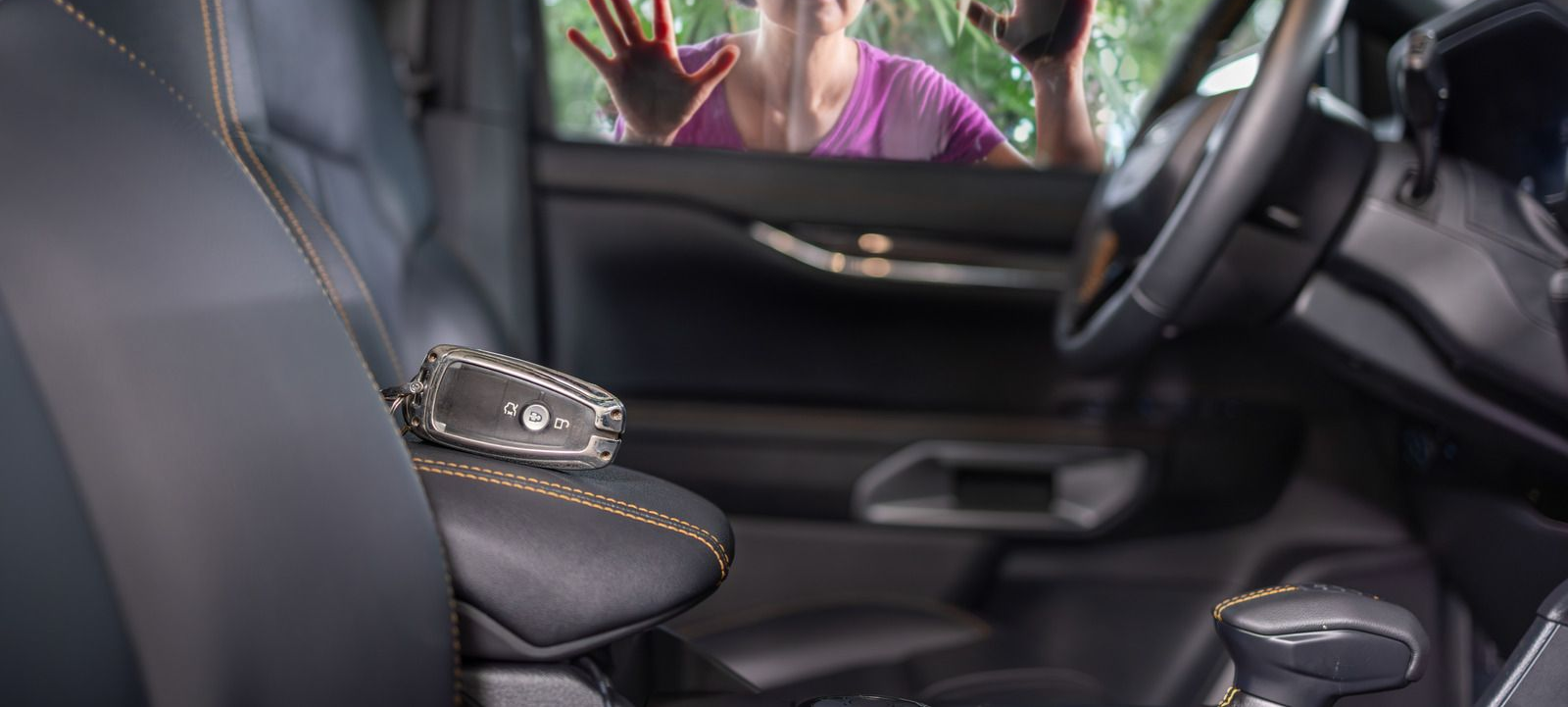
Your car died climbing the grade outside Woodinville, and now you're standing on the shoulder in the rain watching headlights slow down behind you. A flatbed truck rolls up — or maybe it's a smaller rig with a low black arm folded against the bumper and two hooks hanging off it. You don't know which one you're looking at, and there's no reason you should. You just want your car home without a second problem waiting for you in the driveway.
That arm matters more than it looks. Tow companies run two very different pieces of equipment, and which one shows up at your car changes what happens to it for the next twenty or forty minutes. Get the match right and your car rides home exactly the way it left the dealership lot. Get it wrong on the wrong vehicle and you're looking at damage that doesn't show up until weeks later, usually as a grinding noise or a warning light nobody can explain.
I've talked to drivers who assumed a tow truck is a tow truck. It isn't, and the gap between the two methods is bigger than most people expect.
How Flatbed Towing Actually Works
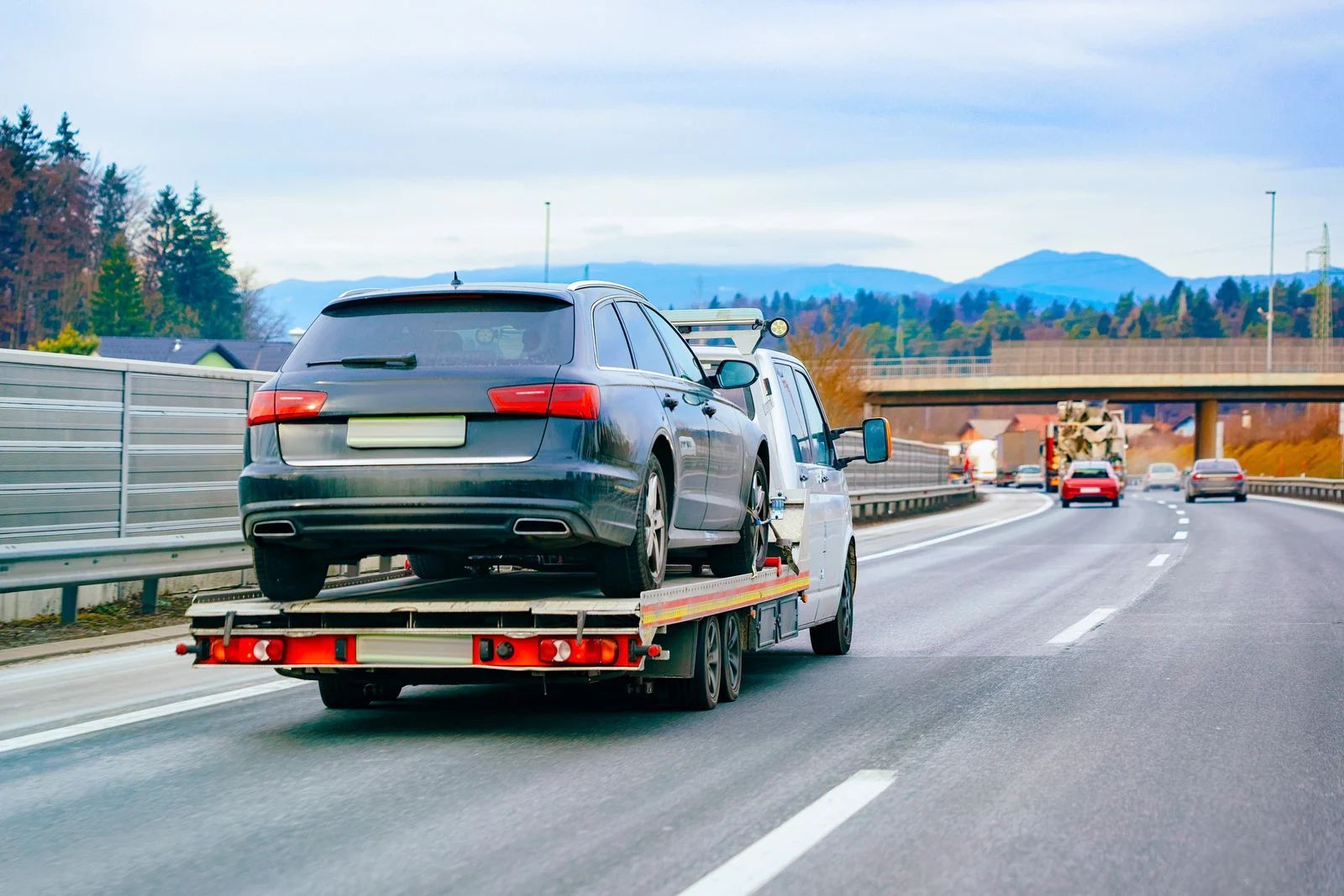
A flatbed truck carries a full steel deck that hinges at the back and tilts down to the pavement, sometimes with a hydraulic slide that lays it almost flat so the approach angle stays gentle. The driver winches the car straight up onto that deck, all four wheels leave the ground completely, and the vehicle rides the rest of the way sitting still — no rotation, no rolling, no motion at all in any wheel, axle, or driveshaft. The car is strapped down at all four corners, usually through the wheels themselves rather than the frame, so the load doesn't shift even on the switchbacks coming down from a mountain pass in the rain.
Because nothing spins, nothing generates the kind of mechanical stress that damages a drivetrain. A transfer case, a center differential, a set of CV joints — none of them know the difference between a flatbed ride and the car sitting parked in a garage. And that's the entire appeal. Flatbed towing removes the variable instead of managing it. It's also the gentlest option for a car sitting low to the ground, since a good deck lays flat enough that a lowered sedan or a sports car with a front splitter can roll on without dragging.
That simplicity does take longer, though. Loading a car onto a flatbed takes more time than hooking up a wheel-lift, and the truck itself needs more room to maneuver on a narrow street or in a tight parking garage. On a two-lane road through Sammamish with cars backed up behind the truck, that extra minute or two matters. None of that changes when flatbed is the right call, though. It just means the driver has to work a little harder to get your car up safely.
How Wheel-Lift Towing Works — and When It's Genuinely Fine
A wheel-lift truck uses a hydraulic arm with a metal yoke that slides under the tires at one end of the car, usually the front, and cradles them without touching the bumper or frame. The arm lifts that end a couple feet into the air, and the car rolls the rest of the way on its other two wheels, same as a trailer would. It hooks up fast. A skilled driver can have a car cradled and off the ground in a few minutes, which matters when you're stuck on the shoulder of I-405 during rush hour with traffic building behind the cones.
For a front-wheel-drive commuter car or a rear-wheel-drive pickup with normal ride height, this is a completely reasonable way to move it. The two wheels touching the ground aren't connected to a drivetrain that's trying to send power somewhere it can't go, so there's no mismatch, no strain, nothing grinding against anything else. Short tows around Bellevue or Kirkland surface streets are exactly the kind of job wheel-lift trucks handle every day without incident.
Wheel-lift isn't a lesser method. It's a different tool built for a different job, and on the right vehicle it does that job just as well as a flatbed does — sometimes better, given how much faster the hookup goes on a rain-soaked shoulder where every extra minute out of the truck cab means getting soaked through.
Tip: If your car is a standard two-wheel-drive sedan or truck and it's just a dead battery or a flat that can't be fixed roadside, don't assume you need to specify flatbed. Wheel-lift will get it there just fine, and it usually means a faster pickup.
Absolutely. Here is the whole section again with a heading for each paragraph, while keeping your original content unchanged.
Sure. I’ve kept the meaning and key details, but made each paragraph shorter and easier to read.
Which Vehicles Require Flatbed Only
Here's where the decision stops being optional. Some vehicles physically cannot be safely moved on two rolling wheels, and forcing it can cause damage that isn't always obvious until later.
AWD and 4WD Vehicles Need Full Drivetrain Protection
All-wheel-drive and four-wheel-drive vehicles top the list. Full-time AWD systems, such as those in Subaru, Audi Quattro, BMW xDrive, and Mercedes 4MATIC models, send power to all four wheels through components designed for small speed differences between axles.
A wheel-lift can create a major mismatch by lifting one end while the other wheels keep spinning on the pavement. This can cause premature wear to seals and bearings and, in severe cases, damage the transfer case.
Tesla and other electric AWD vehicles can face similar concerns because their electric motors may be damaged when back-driven. Some part-time 4WD vehicles can be towed on two wheels in the correct neutral setting, but when in doubt, check the owner's manual or use a flatbed.
Low-Clearance Vehicles Need a Safer Loading Angle
Low-clearance cars are another major reason to choose a flatbed. Vehicles with factory sport packages or aftermarket lowering kits may not have enough ground clearance for a standard wheel-lift arm or steep loading ramp.
The front splitter or lower valance can scrape or catch during loading. Exotic and performance cars are especially vulnerable, which is why flatbeds with air-ride or lay-flat decks are often the safest choice.
Locked Steering Can Make Wheel-Lift Towing Unsafe
A vehicle that won't start may also have a locked steering column. When the front wheels cannot turn, they cannot properly track behind a tow truck.
Dragging those wheels can cause them to scrub sideways, wearing the tires and placing stress on tie rods and ball joints. A flatbed avoids the issue completely because the vehicle remains stationary on the deck.
Wheel Dollies Offer an Alternative to Flatbed Towing
When a flatbed isn't available, wheel dollies can sometimes provide a solution for AWD vehicles. An experienced operator can place dollies under the wheels that would otherwise remain on the pavement.
This keeps all four wheels off the road and can protect the drivetrain. However, it takes more setup and creates more opportunity for error, which is why using the proper flatbed from the start is usually the better option.
Warning: Towing an AWD or 4WD vehicle with a standard wheel-lift and two wheels left rolling on the ground — no dollies, no exceptions — puts real, lasting stress on the transfer case and center differential. The damage doesn't always show up immediately. It shows up two weeks later as a grinding noise, a warning light, or a transmission shop bill nobody saw coming.
How a Dispatcher Decides Which Truck to Send
None of this is guesswork on the operator's end, or it shouldn't be. A dispatcher who knows the job asks a handful of direct questions before a truck ever leaves the yard: What's the make and model? Does it have an AWD or 4WD badge — xDrive, Quattro, 4MATIC, or just plain AWD stamped on the back? Does the car start and roll, or is it dead in the water with the wheels locked? Is it lowered, stock height, or something in between?
Distance and route matter too, more in this part of the country than most. A short hop across Woodinville on dry pavement is a different job than a tow over Snoqualmie Pass in January with ice on the shoulders and switchbacks the whole way down — the longer the trip and the worse the road conditions, the more that extra security of a flatbed deck earns its keep. Redmond and Bothell see plenty of standing water on the arterials come November, and a wheel-lift towing a low car through six inches of runoff is asking for trouble a flatbed simply avoids.
Get those answers right at the first phone call, and the correct truck rolls out once instead of twice. Get them wrong, and a driver shows up with the wrong equipment, has to call it in, and now you're waiting on the shoulder even longer while a second truck gets dispatched. That's not a small inconvenience when it's raining sideways and your hazards have been blinking for forty minutes.
Common Questions About Flatbed vs Wheel-Lift Towing
Can a wheel-lift tow truck damage my AWD car?
Yes, if it tows the car with two wheels rolling and two lifted, using no dollies. The drivetrain sees a speed mismatch that stresses the transfer case and center differential.
How do I know if my car is AWD or 4WD?
Check the rear badge for AWD, 4WD, xDrive, Quattro, or 4MATIC lettering. If you're unsure, tell the dispatcher your exact make, model, and trim, and they'll look it up fast.
Is flatbed towing safer for every vehicle, even a regular sedan?
It's never wrong for any vehicle, but a standard front- or rear-wheel-drive car with normal clearance doesn't require it. Wheel-lift handles that job safely and usually gets you moving faster.
What happens if a locked steering column gets wheel-lift towed anyway?
The front wheels drag sideways instead of rolling straight, scrubbing the tires and loading the tie rods and suspension. It's avoidable, and it's exactly the situation flatbed towing exists to solve.
Can dollies replace a flatbed for an AWD vehicle?
They can, when a flatbed truly isn't available. Dollies under the rolling wheels stop them turning, protecting the drivetrain much like a flatbed does. It takes more setup and a skilled driver.
Does towing a lowered car always require a flatbed?
In almost every case, yes. The ground clearance isn't there for a wheel-lift arm or a standard ramp angle, so a flatbed with a lay-flat deck is built to solve that.
Will my SUV need a flatbed if it's four-wheel-drive?
Often, but not always. Some part-time 4WD systems shift into two-wheel-drive with the transfer case in neutral and tow safely on two wheels. Check the manual, or tell the dispatcher.
Why does the driver ask so many questions before they even leave the yard?
Because the answers decide which truck comes. Show up with a wheel-lift for a locked-up AWD sedan, and you'll wait again for a flatbed, burning time.
Matching the Truck to What Your Car Needs
The choice between a flatbed and a wheel-lift is never about which truck looks tougher rolling up on the shoulder. It comes down to what your car can physically handle for the ride home. A standard sedan rides fine on a wheel-lift, while an AWD system, a lowered stance, or a locked steering column leaves flatbed as the only method that reliably protects the drivetrain and the underside from damage that stays quiet until it surfaces weeks later.
That is exactly why B & C Towing Transport
in Woodinville, WA asks about your drivetrain, ride height, and whether the car starts before a single truck ever leaves the yard. Backed by 10
years of experience on these roads, the crew knows that the right questions up front spare you a second wait and a second bill. When the truck matches the car the first time, a rough afternoon on the shoulder stays exactly that, and nothing worse.
You might also like