Steering Wheel Locked and the Key Won't Turn? How to Free It Safely
Quick Answer:
A steering wheel that locks with the key refusing to turn is usually the anti-theft steering lock doing its job, not a broken car. It engages when the wheel is turned after the key comes out, and it binds the key in place. The fix is simple: turn the steering wheel gently side to side while applying light, steady pressure on the key at the same time. Do not force the key, which can break it or damage the ignition. If the wheel is free but the car still won't start, the cause is more likely the battery, the key, or the ignition.
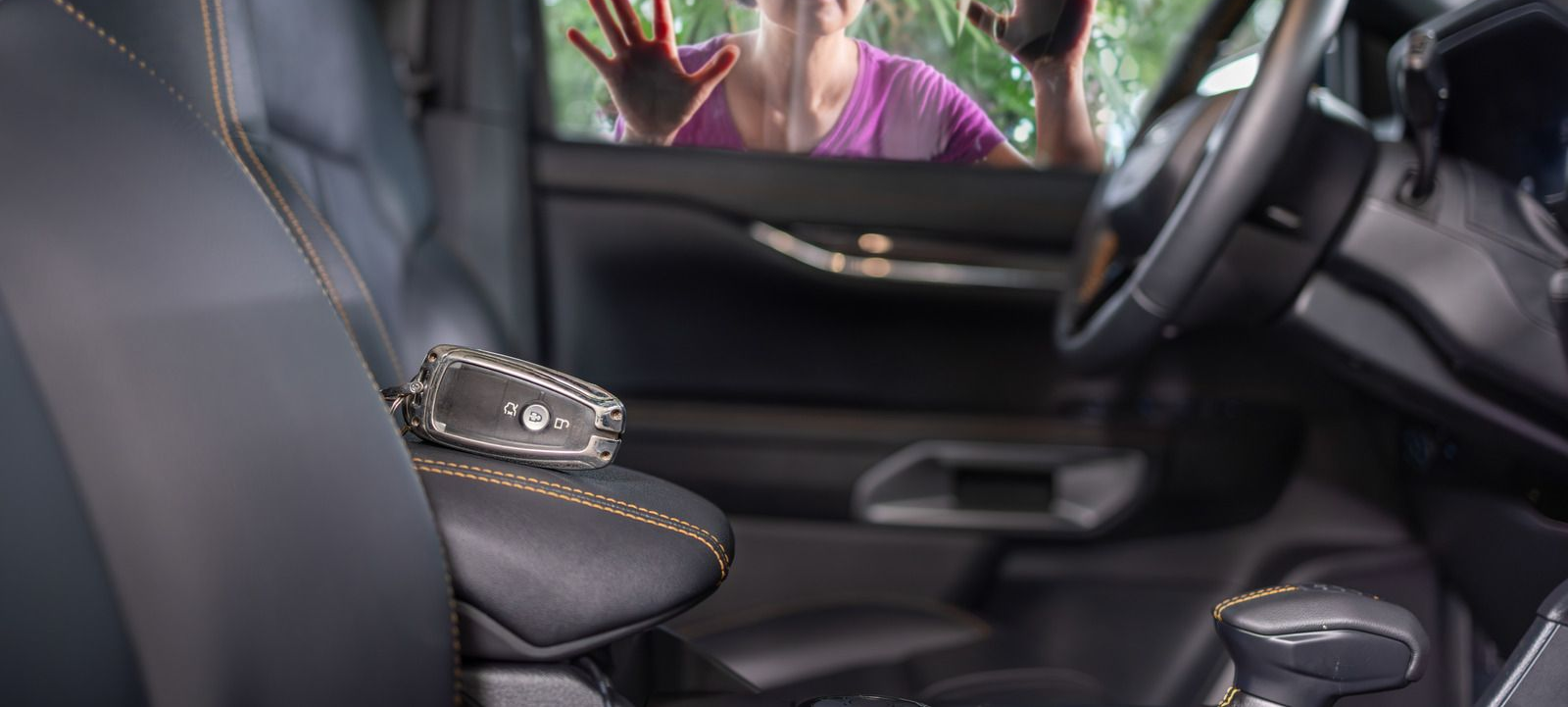
You slide into the driver's seat, put the key in, and it will not turn. At the same time the steering wheel barely moves, locked in place like the car has decided it is staying put. Maybe you are running late, maybe it is raining, and either way that little jolt of panic sets in: is the car broken? Did something just fail? It is one of the most common roadside-style problems drivers run into, and the reassuring news is that most of the time, nothing is wrong with your car at all.
What you are almost certainly dealing with is the steering wheel lock, an anti-theft feature built into most vehicles. It does exactly what it is designed to do, and once you understand it, freeing the wheel usually takes about ten seconds. Here is why it happens and the safe way to get yourself moving again, whether you are in your driveway or stuck in a parking lot on a wet Pacific Northwest morning.
Why the Wheel Locks in the First Place
The steering lock is a security feature, not a malfunction. It is there to make a parked car much harder to steal or to roll away.
Here is how it works. When you remove the key (or shut off a push-button car) and then turn the steering wheel, a pin inside the steering column drops into a notch and physically locks the wheel. You have probably triggered it without noticing, just by bumping the wheel as you got out, or because the front tires were turned against a curb when you parked and the wheel settled under that pressure. The wheel locks, and because the lock and the ignition are linked, the key will not turn until the wheel is released.
So the "stuck key" and the "locked wheel" are the same problem. The key is not jammed because it is broken; it is held because the steering lock is engaged. That is why forcing the key is the wrong move. The key turns freely the instant the wheel is free.
The Safe Trick That Frees It
The fix is gentle and simple, and it works on the large majority of locked-wheel situations.
Step one: take the pressure off
Put the key in the ignition (or press the brake and start button on a push-button car) and be ready, but do not force anything.
Step two: rock the wheel and turn the key together
With light, steady pressure on the key in the start direction, gently turn the steering wheel left and right. You are looking for the small amount of give in the wheel. As you wiggle it, the pressure on the locking pin eases, and at the point the wheel moves slightly the key will turn and the wheel will free at the same moment.
The key detail: which way does the wheel give?
Whichever direction the wheel moves more easily is the side the lock is loaded against. Apply your gentle turning effort toward the easy side while you turn the key. Light pressure is the whole game here. This is a finesse move, not a strength one.
That is usually all it takes. The wheel releases, the key turns, and the car starts as normal. If it does not work on the first try, relax everything, let it settle for a moment, and repeat with a lighter touch rather than more force.
Tip: Try both directions deliberately. Turn the wheel as far as it will go one way and hold light pressure there while turning the key; if nothing happens, do the same the other way. The lock is engaged on one side only, so one direction will almost always give while the other stays solid. Pairing the correct direction with light key pressure is what frees it.
Why You Should Never Force the Key
When the key will not turn, the instinct is to push harder, maybe with two hands or a little extra force. That is the one thing that turns a ten-second fix into an expensive problem.
The key and the ignition cylinder are not built to take that kind of force. Push hard enough and you can snap the key off inside the cylinder, which is far worse than where you started, or you can damage the internal pins and wafers of the ignition itself. Now instead of a wheel that just needs a wiggle, you have a broken key extraction or a failed ignition cylinder. The steering lock will release with almost no force when you work with it; it resists when you fight it. Patience and a light hand cost nothing and protect the ignition.
When It's Not the Steering Lock
If you have freed the wheel, or the wheel was never actually locked, but the car still will not start or the key still will not turn, the cause is something else. A few common ones are worth knowing.
A dead or weak battery
On push-button cars especially, a dead battery can leave the wheel locked and the start button unresponsive, because the system has no power to release the lock electronically. The dashboard may be dim or dead. This looks like a steering-lock problem but is really a power problem.
A worn or damaged key
Over years of use, a traditional key wears down, and a worn key may no longer turn the cylinder smoothly. A spare key that is less worn sometimes turns when your everyday key will not. A bent key, or debris in the ignition, can also bind things up.
A failing ignition cylinder
If the wheel is clearly free and a good key still will not turn, the ignition cylinder itself may be worn or failing internally. That is a repair rather than a roadside trick.
A key fob with a dead battery
On push-to-start vehicles, a fob with a dead battery may not be detected. Most have a backup method, such as holding the fob against the start button, described in the owner's manual.
Warning: If your car is stopped somewhere unsafe, such as in a travel lane, at a railroad crossing, or anywhere you could be struck, do not stay in the vehicle fighting with the wheel and key. Get yourself and any passengers to a safe spot away from traffic first, then call for roadside help. No car problem is worth risking your safety in a dangerous position on or near the road.
How a Roadside Pro Helps When the Trick Doesn't Work
Most locked wheels free with the wiggle-and-turn method, but sometimes the cause runs deeper, and that is where roadside help comes in. A technician can quickly tell whether you are dealing with a simple engaged lock, a dead battery that needs a jump, a key that has worn out, or an ignition that is failing. If the battery is the culprit, a jumpstart gets you going. If it is a lockout, key, or ignition issue, they can sort out the safe next step, including getting the vehicle to where it can be properly repaired without forcing anything that could cause more damage.
The point is that you do not have to escalate to brute force or panic. The steering lock is a feature working as intended, the release is gentle, and when something more than the lock is going on, there is a calm, methodical way to handle it rather than risking a broken key or a damaged ignition.
Frequently Asked Questions
Why is my steering wheel locked and my key won't turn?
In most cases the anti-theft steering lock has engaged. When the key is out and the wheel gets turned, a pin locks the wheel, and because the lock is tied to the ignition, the key won't turn until the wheel releases. It's a security feature, not a breakdown.
How do I free the steering wheel?
Apply light, steady pressure on the key in the start direction while gently rocking the steering wheel left and right. When the wheel gives slightly, the key turns and the lock releases at the same moment. Use a light touch and try both directions; one side will free more easily than the other.
Will forcing the key damage my car?
Yes, and it's the main risk here. Forcing the key can snap it off in the ignition or damage the cylinder's internal pins, turning a simple fix into a real repair. The steering lock releases with almost no force when you work with it, so patience protects your ignition.
The wheel is free but the car still won't start. What now?
Then the steering lock isn't the issue. Look at the battery (especially on push-button cars), the key itself, or the ignition cylinder. A dead battery, a worn key, or a failing ignition can all prevent starting even with the wheel freed, and each needs a different fix.
Can a dead battery cause the steering wheel to stay locked?
On push-to-start vehicles, yes. The electronic steering lock needs power to release, so a dead battery can leave the wheel locked and the start button unresponsive. A dim or dark dashboard is a clue that you're dealing with a power problem rather than just the lock.
When should I call for roadside help instead of trying again?
If the wiggle-and-turn trick doesn't work after a few gentle attempts, if the dashboard is dead, if your key feels worn or won't turn with the wheel clearly free, or if you're stopped somewhere unsafe. A roadside technician can quickly tell a simple lock from a battery, key, or ignition problem.
Getting Back on the Road Calmly
A locked steering wheel and a key that won't turn looks like a dead car and is almost always a feature doing its job. The release is gentle by design: light pressure on the key, a small rock of the wheel, and you are moving again. The only real way to make it worse is to force the key. And on the rare occasion the trick does not work, that is a signal the cause is the battery, the key, or the ignition, which a roadside professional can sort out without guesswork or damage.
Get moving again when the wheel won't budge — A locked steering wheel is usually a quick fix, but when the trick doesn't work, the real cause is often a dead battery, a worn key, or a failing ignition that needs the right hands. With a decade of experience serving drivers throughout Woodinville, Washington, B & C Towing Transport
responds with calm, fast
roadside assistance, from jumpstarts and lockouts to safe transport when a vehicle needs a shop. Reach out for roadside assistance and get back on the road without forcing anything.
You might also like